
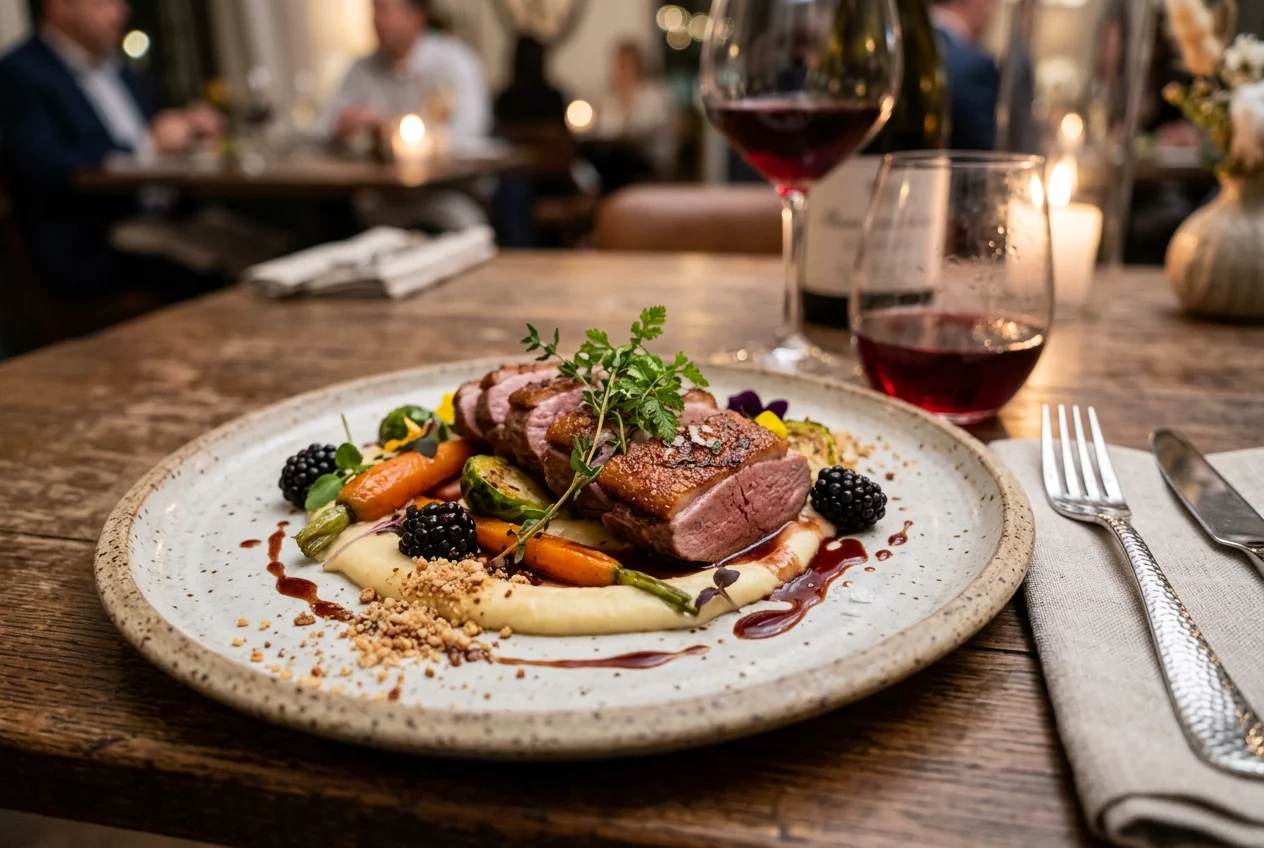
Travelers often view a resort vacation as a bubble of comfort, yet the most enduring memories usually happen outside the property gates. Local cuisine serves as a sensory map of a region's history, geography, and social values. Choosing to dine where the locals eat isn't just about the food; it's an act of cultural immersion that transforms a standard holiday into a meaningful journey. Whether it's the specific blend of spices in a Moroccan tagine or the precise texture of hand-pulled noodles in an Asian night market, these flavors define the identity of the places we visit.
Breaking the Hotel Menu Cycle
Resort kitchens prioritize consistency and international palates, which often results in "sanitized" versions of traditional dishes. To find the real deal, one must look for establishments that focus on a single specialty. A small corner shop that has served nothing but one specific type of seafood for forty years will always offer a deeper experience than a multi-cuisine hotel buffet. These places prioritize the integrity of the recipe over the expectations of the tourist, offering a taste that is bold, unapologetic, and deeply satisfying.
The Power of the Guided Food Tour
Navigating street food can feel intimidating for the uninitiated. This is where professional culinary tours become invaluable assets. Experienced guides act as translators of both language and culture. They lead small groups through labyrinthine alleys to find the vendors who maintain high hygiene standards without compromising on traditional methods. These tours often include historical context, explaining why certain ingredients became staples and how colonial or trade histories influenced modern-day cooking styles.
Essential Gastronomic Etiquette
Every table in the world has its own set of unspoken rules. Understanding these nuances shows respect for the host culture and often leads to better service and warmer interactions. Consider these practical tips for your next outing:
- Observe before acting. Watch how local patrons handle their utensils or season their food before diving in.
- Always carry small denominations of the local currency, as many authentic family-run spots do not accept cards.
- Ask for the house specialty rather than looking for familiar items. Trust the chef's expertise.
- Learn basic phrases like "thank you" and "delicious" in the local dialect to show appreciation.



Liam
Verified ResidentFood is the best part of traveling!